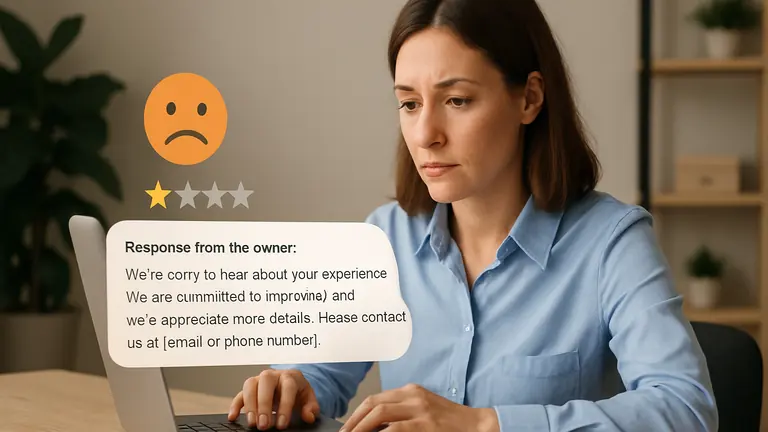
Picture this: You run a small family restaurant in a busy neighborhood like South End in Charlotte. Lately, business has slowed down, but you’re unsure why. One day, a friend points out several negative reviews online that you hadn’t seen. Customers mention slow service and unfriendly staff. Because you hadn’t checked reviews regularly, you missed the chance to address concerns early. Now, potential diners hesitate to visit.
This happens often with small restaurants. Ignoring or responding inconsistently to online reviews can quietly damage your reputation and cost you customers. The first step is simple: create a steady, manageable routine to monitor and reply to every review. This builds trust and stops small issues from turning into bigger problems.
The Cost of Ignoring Your Restaurant’s Reputation
Reputation management is not optional. When you don’t monitor reviews, negative comments pile up and new customers assume you don’t care. For example, a small diner in a mid-sized town didn’t check Google or Yelp reviews for months. They found several negative reviews left unanswered. That silence sent a message louder than words. The result was fewer repeat customers and declining sales.
Ignoring reviews also means missing valuable feedback. Customers use reviews to share real experiences. If you don’t respond, you miss chances to learn and improve. Managing your reputation is about more than damage control — it’s about building a stronger connection with your community.
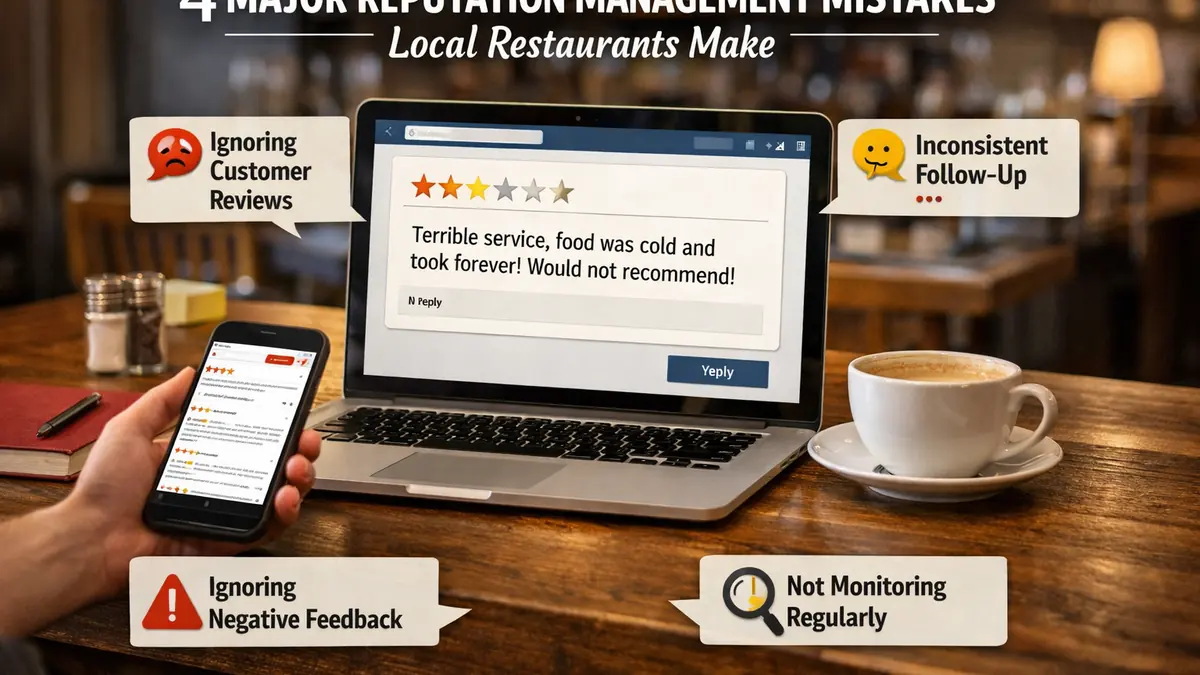
Common Reputation Management Mistakes Small Restaurants Make
- Ignoring reviews on Google, Yelp, Facebook, and others
- Responding inconsistently, replying to some reviews but not others
- Seeing negative feedback only as a problem instead of an opportunity to improve
- Checking reviews only occasionally instead of on a regular schedule
These mistakes happen because owners juggle many tasks and time is tight. But small, steady steps can make a big difference.
A Simple Workflow for Managing Reviews Consistently
Here’s a practical routine any small restaurant can follow without extra staff or stress:
- Pick your platforms. Focus on two or three key review sites like Google and Yelp.
- Set a schedule. Block 10 to 15 minutes daily or every other day to check new reviews. Consistency matters more than frequency.
- Track reviews. Use a simple spreadsheet or note app to record new reviews and your replies.
- Reply to every review. Thank positive reviewers with a brief, genuine note. For negative reviews, politely acknowledge the issue, apologize if needed, and invite the customer to discuss offline.
- Keep it brief and real. Avoid generic or defensive replies. Honest, straightforward responses work best.
This routine makes reputation management a regular part of your day, not a last-minute chore. Over time, customers notice when you’re engaged and responsive.
Mistakes to Avoid That Hurt Your Restaurant’s Reputation
- Ignoring reviews because it feels overwhelming. Avoid this by setting short, focused time blocks.
- Replying only to positive reviews. Skipping negative feedback looks like you’re avoiding criticism.
- Using generic or defensive responses. These can make customers feel ignored or dismissed.
- Waiting too long to respond. Delayed replies leave customers feeling ignored and can make problems worse.
How One Local Restaurant Can Put This Into Practice
Maria runs a small family diner in a suburban area. She sets aside 15 minutes each morning to check Yelp and Google reviews. She keeps a notebook to track each new review and her response. When a customer praises her homemade pies, she replies with a warm thank you. When someone complains about slow lunch service, she apologizes and invites them to call or visit to make it right.
This simple habit didn’t require extra staff or a big budget. After a few months, regular customers mentioned Maria’s replies as a reason they keep coming back. That personal touch helped build stronger relationships and steady business.
Why Regular Monitoring Matters More Than You Think
Reputation management is ongoing, not a one-time fix. Checking reviews regularly helps catch problems early before they multiply. It also shows customers you care about their experience. Honest, timely replies can turn complaints into loyalty-building moments.
Even busy owners can handle this with a simple system. The key is consistency and genuine engagement, not long or perfect responses.
Next Steps: Building Your Reputation Management Plan
Start small. Pick one review site, set a daily or weekly reminder, and write a short thank-you message after each review. Over time, this becomes a habit that protects and grows your reputation.
If you want help setting up a simple, effective plan tailored to your restaurant, book a call with us today. We can help you create a routine that fits your schedule and builds lasting customer trust.
For more on managing online reviews and reputation, see our services.