Facing Negative Reviews as a Small Business Owner
When Maria opened her small bakery in Mint Hill, NC, she was thrilled to see customers leaving reviews online. But one afternoon, she spotted a negative comment about slow service during a busy weekend. She felt unsure—should she reply, or just ignore it and hope it goes away? Many small business owners freeze at this moment, worried that responding might make things worse or take too much time.
We understand that hesitation. But from our experience working with local businesses, a calm, timely response to negative reviews can actually stop reputation damage before it spreads. More than that, it can turn unhappy customers into loyal ones. This article lays out practical, clear steps to respond respectfully and effectively, so you don’t have to guess what to say or do next.
Why You Should Always Respond to Negative Reviews
- Unanswered negative reviews shape public opinion. When potential customers see a complaint left without a reply, they may assume the business doesn’t care or has poor customer service.
- Ignoring negative feedback signals indifference. It’s like turning your back on a problem instead of trying to fix it.
- A quick, respectful response shows you’re listening and willing to make things right. This can contain the issue early and reassure both the reviewer and anyone reading the review.
For example, a small local coffee shop we know once ignored a complaint about cold drinks on a chilly morning. Word spread, and some regulars stopped coming. When the owner started responding promptly and offering a fix, customers noticed the care and returned.
Common Mistakes Small Businesses Make When Responding
- Reacting emotionally or defensively. Writing a reply in anger or sounding defensive can escalate the problem and look unprofessional.
- Delaying replies. Waiting days or weeks to respond makes customers feel ignored and leaves negative impressions hanging.
- Using vague or generic answers. Responses like “We’re sorry you feel that way” without addressing the actual complaint sound dismissive.
- Sharing too much information publicly. Trying to solve the issue fully in the review thread can lead to messy back-and-forth. It’s better to invite private contact for detailed resolution.
A Simple Workflow to Respond Effectively
- Step 1: Read the review carefully and identify the main complaint. What exactly went wrong from the customer’s point of view?
- Step 2: Acknowledge the issue and apologize sincerely if it fits. Even if it wasn’t your fault, a simple expression of regret can ease tension.
- Step 3: Offer a clear next step—whether that’s fixing the problem, providing a refund, or inviting the customer to get in touch privately.
- Step 4: Respond promptly, ideally within 24 to 48 hours. Timeliness matters more than perfectly crafted wording.
- Step 5: Follow up offline if the customer reaches out. This shows commitment beyond just a public reply.
This workflow works because it focuses on listening, respect, and practical action instead of defensiveness or ignoring the problem.
Example: How a Local Coffee Shop Turned a Negative Review Around
Take the case of Joe’s Coffee Corner, a neighborhood cafe. A customer posted a review complaining about slow service on a busy Saturday morning. Joe, the owner, responded within hours:
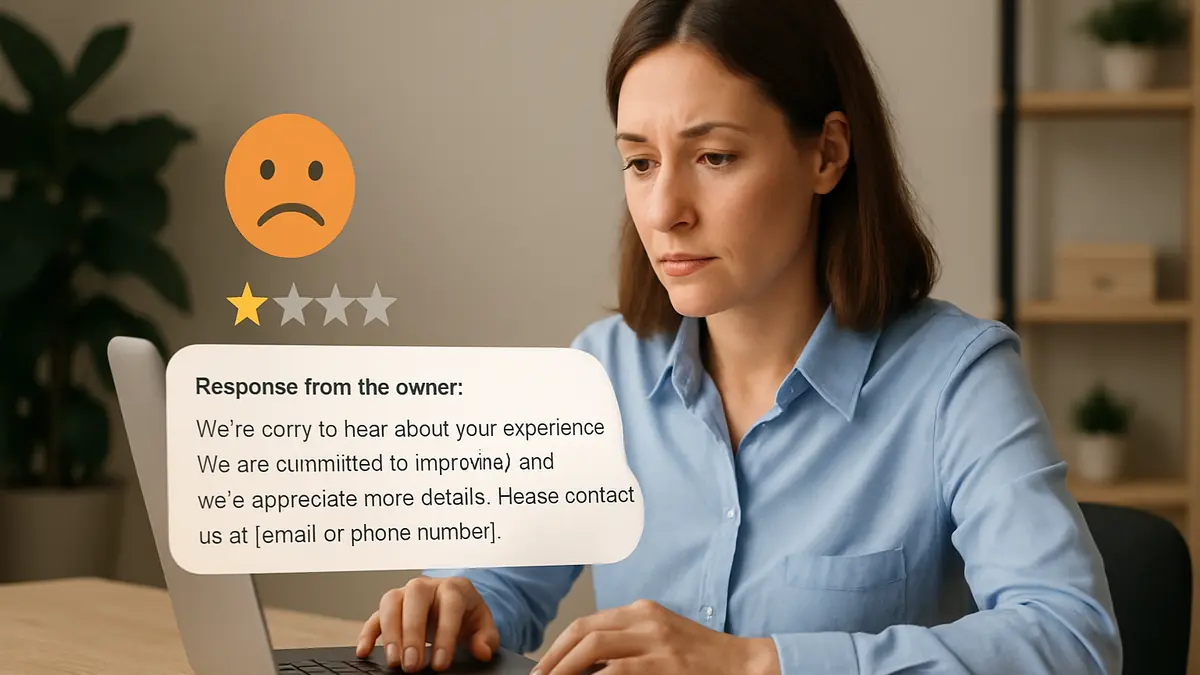
- "Thanks for your feedback. We’re sorry for the wait and are actively working to speed things up during busy times. Please reach out at joe@jcoffeecorner.com or call (555) 123-4567 so we can make it right."
This honest and timely response reassured the reviewer and anyone reading the review that Joe cared. The customer later emailed Joe, who offered a free coffee on their next visit. That customer became a regular again and even brought friends.
Templates and Phrases That Work
- "We appreciate you bringing this to our attention."
- "Sorry to hear about your experience. We want to make this right."
- "Please contact us directly at [phone/email] so we can assist you personally."
- "Thank you for your feedback; it helps us improve."
Use these phrases as a starting point, but always tie them to the specific issue mentioned. This shows you’re paying attention.
Tradeoffs to Keep in Mind
Responding to negative reviews takes time and sometimes emotional energy. It can be uncomfortable facing criticism publicly. You might worry about attracting more negative comments or drawing attention to problems.
But the alternative—ignoring reviews—often costs more in lost customers and damaged reputation. The key is to keep your replies professional and brief, and avoid getting into arguments online. If a review is particularly harsh or false, a calm, factual response is still better than silence.
Also, don’t expect every unhappy customer to come back. Some might never be satisfied. Your goal is to show others you take feedback seriously and that you actively work to improve.
Mistake to Avoid: Responding Without Reading Carefully
One common error is replying with a canned response that doesn’t actually address the customer’s complaint. For instance, apologizing for slow service when the complaint was about order accuracy can seem lazy or insincere. Always read reviews fully before crafting your reply.
Next Steps: Get Your Reputation Management Started
If you’re ready to take control of your online reviews and respond confidently, start by setting up a simple process: monitor your reviews daily, use a short response template you can customize, and commit to replying within two days.
For more help, check out [link to relevant Loyal Fan Loop service or audit] to get personalized advice and tools for managing your reputation without stress.
Conclusion: Turn Negative Reviews Into Customer Loyalty
Responding to negative reviews isn’t just about damage control. It’s a chance to show your business values customers and is committed to improvement. Handling criticism calmly and quickly protects your reputation and builds stronger relationships. Start today with clear, respectful replies and watch how it helps your business grow.