
When Small Issues Turn Into Big Problems
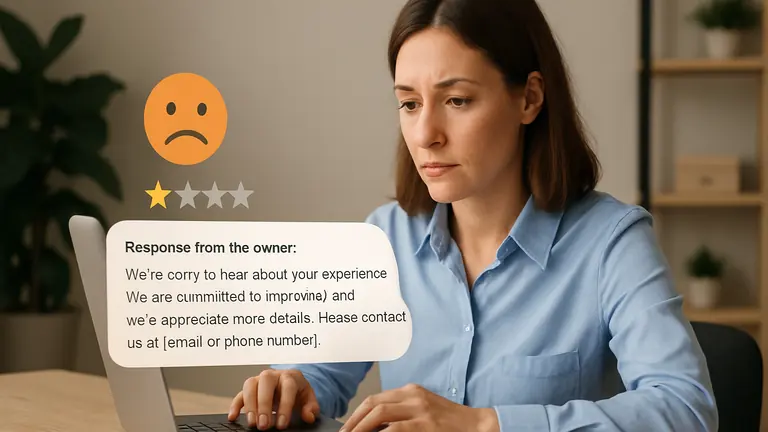
Picture a small bakery in your neighborhood. One morning, a customer posts a review saying they waited too long in line and felt ignored by the staff. The owner is busy and doesn’t see the review for several days. Meanwhile, that comment leads to a few more negative posts on Facebook and Yelp. What started as a single complaint now looks like a pattern to potential customers. Some decide to try a different bakery.
This happens a lot with local business owners who juggle many tasks. Most don’t check their online reputation every day because it feels like extra work. But skipping daily checks lets small problems grow, costing time and customers later. Spending just 10 minutes a day spotting issues early lets you respond quickly and personally, protecting your brand without adding stress.
Why Checking Your Reputation Daily Pays Off
- Reviews and mentions shape new customers’ opinions. Most people look at online feedback before trying a local business. Positive reviews build trust. Negative ones can drive customers away.
- Unanswered complaints tend to multiply. When customers don’t get a response, they often post more negative comments. New customers notice this.
- Daily monitoring keeps you in control. Spot issues early, respond fast, and show customers you care.
How to Monitor Your Online Reputation in 10 Minutes a Day
Start your day with a quick check of the main places customers leave feedback. For most local businesses, this means:
- Google Business Profile: Look for new reviews and questions.
- Facebook: Check comments, messages, and reviews.
- Yelp or local directories: See what people say about your service.
To catch mentions beyond these platforms, set up free Google Alerts for your business name and common misspellings. You’ll get emails when someone talks about your business online.
Spend a few minutes replying to new reviews or comments. Keep answers personal and professional. Thank happy customers. Address concerns with empathy. If a problem needs more time, acknowledge it and offer to follow up offline.
Use a simple tracking sheet or a basic tool to note when you responded and any follow-up needed. This helps you stay organized and ensures no issues slip through.
Why Quick Responses Matter
Responding promptly does more than look good. It protects your reputation. When you answer fast, customers feel heard and respected. This can turn unhappy experiences into positive ones.
For example, a small-town hair salon owner saw a Facebook complaint about a missed appointment. By replying within hours with an apology and an offer to reschedule, the owner stopped the problem from growing. The customer updated their review positively, and the salon kept its good standing.
Fast replies also limit damage from negative comments. They show potential customers you’re engaged and care about quality service.
Tradeoffs: What You Gain and What It Costs
Spending 10 minutes a day on reputation monitoring fits into most busy schedules. The main gain is catching problems early and building better customer relationships.
This habit requires discipline and consistency. It might feel tedious, especially if you don’t get many reviews every day. Some owners hesitate because they worry about criticism or don’t want to spend time writing responses.
Also, relying only on automated tools isn’t enough. Alerts and apps help, but they don’t catch every mention or capture the tone of feedback. Manual checks are necessary to understand context and reply well.
Common Mistakes to Avoid
- Ignoring reviews or delaying responses. This lets problems grow and signals you don’t care.
- Responding defensively or with generic replies. Avoid sounding robotic or argumentative. Instead, acknowledge concerns sincerely and offer solutions.
- Relying only on automation. Automated alerts miss subtle mentions or comments on smaller sites. Combine tools with manual checks.
Building a Positive Reputation Over Time
Daily monitoring isn’t just about fixing problems. It’s a chance to build goodwill. When you spot happy customers, ask them for reviews. This balances negative feedback and strengthens your online presence.
Look for recurring issues in reviews to improve your products or service. For example, if several customers mention slow lunch service, you might adjust staff schedules or speed up ordering.
Consistent engagement shows customers you care. Over time, this builds trust and encourages repeat business.
Next Steps: Make Monitoring Part of Your Routine
Set a daily reminder to check your online reputation at a convenient time—like first thing in the morning or before closing. Start with manual checks and free alerts. As your business grows, consider simple tools to organize reviews and responses.
If you want a clear plan or help setting up your monitoring routine, we’re here to help. Contact us for a free consultation or download our checklist to get started. Spending a few minutes a day now can save you hours and protect your business reputation down the road.