
Facing Negative Reviews: More Than Just a Setback
Picture this: you run a small neighborhood café and spot a negative review on your Google Business Profile. The customer complains about cold coffee and slow service. Your first instinct might be to ignore it or post a quick, generic apology like "Sorry for the inconvenience." Many small business owners do this, but customers often see these responses as empty or insincere.
At Loyal Fan Loop, we see negative reviews differently. When you respond openly and honestly, they become opportunities to show you care, fix problems, and build trust with the reviewer and future customers. In this article, we’ll explain how to reply quickly and sincerely, offer solutions publicly, and follow up to turn complaints into trust-building stories.
Why Responding to Negative Reviews Matters for Small Businesses
For small, local businesses, online reviews directly influence how potential customers decide where to spend their money. A negative review left unanswered can make your business look uncaring or unprofessional.
But negative feedback also points out real problems you can fix. When you respond honestly and publicly, you show accountability and a commitment to customer care. This can turn a bad experience into a public example of your values.
Common Mistakes Small Businesses Make With Negative Reviews
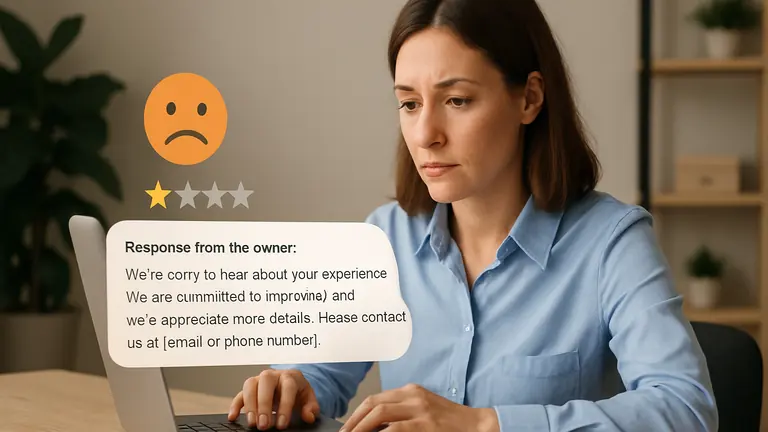
Many small business owners ignore or delete negative reviews. This hurts your credibility because customers notice when complaints disappear without explanation. Another common mistake is replying with vague, scripted apologies like "We’re sorry you feel that way," which don’t address the specific issue and feel hollow.
Some businesses try to move the conversation offline without first publicly acknowledging the problem. This misses an important chance to build trust with others who read the review. A public response is vital to show you care and want to fix the issue.
Step-by-Step Workflow to Turn Negative Reviews Positive
Step 1: Respond Quickly and Honestly
Timely replies matter. Respond within 24 hours to show you’re attentive. Start by acknowledging the specific issue and expressing empathy. For example, if a customer complains about a cold meal, say, “We’re sorry your meal arrived cold. We understand how disappointing that can be.” Avoid generic phrases and tailor your message to the situation.
Step 2: Offer a Clear, Public Solution
Next, explain how you’ll fix the problem. This might be a refund, replacement, discount, or inviting the customer to discuss the issue further. For example, the café owner might say, “We’d like to offer you a free coffee on your next visit to make up for this.” Posting this publicly shows you stand behind your service and care about customers.
Step 3: Follow Up and Update the Review if Possible
After you’ve addressed the problem, check in with the customer to make sure they’re satisfied. If they update their review or leave a positive follow-up, respond again publicly to thank them. This follow-up shows ongoing care and can transform a negative experience into a positive story for others.
Step 4: Share Success Stories Inspired by Feedback
Sometimes complaints lead to real improvements. If you’ve changed a process or fixed a common issue, share that publicly. For example, if several customers mention slow service, you might post, “Thanks to your feedback, we’ve added more staff during busy times to serve you faster.” This shows negative reviews help improve your business.
Practical Example: Local Restaurant Handling a Food Quality Complaint
A small family-owned restaurant gets a review about a cold meal. The owner replies within hours, apologizing sincerely and offering a free meal on the customer’s next visit. The customer returns, enjoys the meal, and updates the review to reflect the positive experience. The owner publicly thanks the customer and invites others to try the restaurant again.
This exchange does three things: it shows prospective customers the owner cares, proves the business fixes problems, and turns a complaint into a trust-building story. It also encourages others to leave honest feedback, knowing they’ll be heard.
Tips for Authentic and Effective Responses
- Use the customer’s name if you have it and address their specific concern to personalize your reply.
- Keep your tone calm, respectful, and focused on solutions rather than being defensive.
- Don’t blame the customer or make excuses. Own the problem and explain what you’ll do to fix it.
- Make your public response useful for anyone reading, not just the reviewer. This transparency builds trust with all potential customers.
Tradeoffs to Consider
Responding publicly takes time and effort, which many small business owners feel they don’t have. But ignoring reviews risks losing more customers over time. Offering refunds or replacements may affect your bottom line short-term, but it can build loyalty and positive word of mouth that pays off later.
Also, balance transparency with privacy. Be open but avoid sharing sensitive details publicly. Invite customers to continue detailed conversations privately as needed.
Mistake to Avoid: Over-Apologizing Without Action
Just apologizing without a clear fix or follow-up can frustrate customers more. Phrases like “We’re sorry you feel that way” sound dismissive. Pair your apology with a concrete solution and actually follow through. That shows you take the issue seriously.
Next Steps
Negative reviews aren’t just problems. They are chances to show how much you care about your customers and your business. Start by reviewing your recent negative feedback and writing honest, helpful replies using the steps above. If it feels overwhelming, use a simple checklist or template to stay consistent.
For more help managing reviews and building your local reputation, check out our resources at Loyal Fan Loop. When you’re ready to turn negative reviews into positive stories, we’re here to support your small business.