The Real Cost Problem Small Business Owners Face
Maria owns a local bakery and wants a website to show her menu and take special orders online. She gets a $1,200 quote just for the design and feels ready to go. But a few months later, she faces unexpected bills for hosting, security updates, and adding an online ordering feature. Suddenly, her website costs more than planned and managing it becomes a hassle.
This happens often. Many small business owners focus only on the initial design price. The ongoing costs for hosting, maintenance, and extra features usually add up and can catch you off guard. Without planning for these, your website can become a surprise expense and a time drain.
At Loyal Fan Loop, we believe small business owners need a clear picture of all website costs—not just design—to budget realistically and avoid surprises. This article breaks down typical expenses and offers practical steps to plan your website budget from start to finish.
Breaking Down Website Costs: What You Need to Budget For
Knowing each cost helps you see where your money goes and make smarter choices. Here’s what to expect:
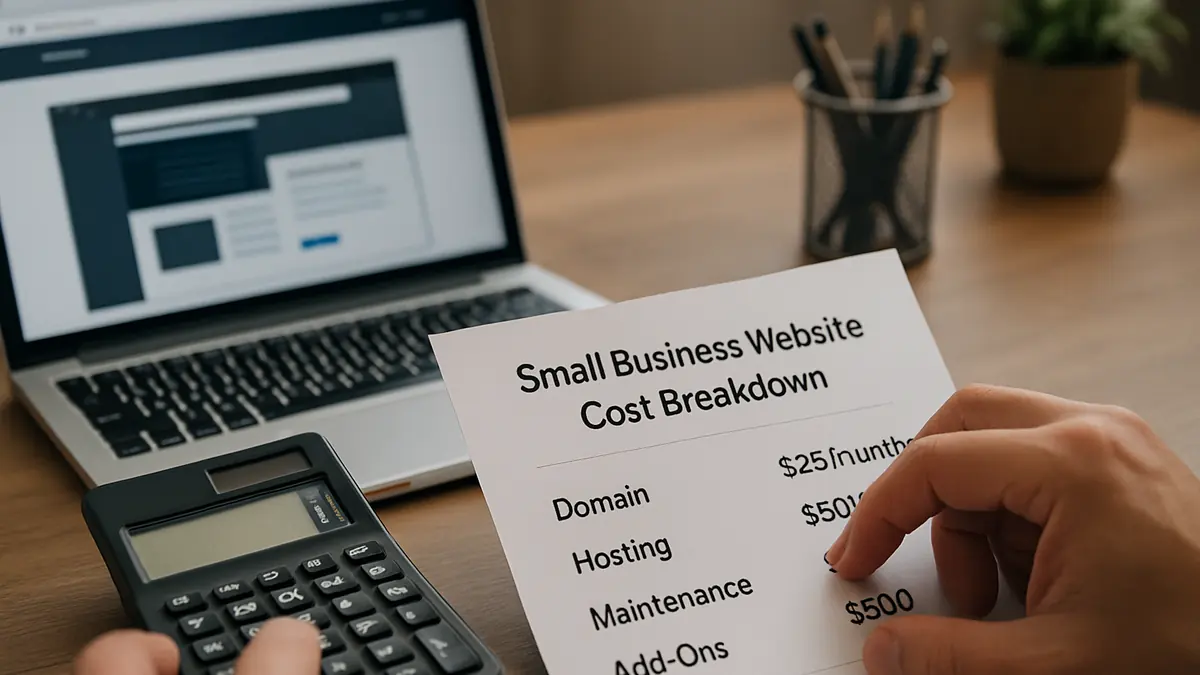
- Design and development: This covers your site’s look and features. A template design usually costs less ($500–$1,500) while custom builds run higher, especially with many pages or special tools like booking systems.
- Domain registration: The yearly fee for your website address (like yourbusiness.com), usually $10 to $20 per year.
- Hosting: Your website’s online home. Shared hosting runs $3–$10 per month, while virtual private servers (VPS) or dedicated servers cost more ($30+ per month) depending on your traffic and needs.
- Maintenance: Updates, backups, security patches, and fixing issues. You can handle this yourself or pay a professional, which often costs $50–$200 per month.
- Optional add-ons: Extras like online stores, SEO services, or professional content writing add value but increase costs.
Common Mistakes That Increase Website Costs
Here are some pitfalls that can make your website more expensive and harder to manage:
- Ignoring ongoing hosting and maintenance fees: Treating your website like a one-time purchase instead of a service that needs regular care.
- Picking the cheapest hosting: Low-cost hosting can cause slow loading, downtime, or security problems that end up costing more in lost customers and repairs.
- Skipping security updates and backups: This leaves your site open to hacks or data loss, which can lead to costly emergency fixes.
- Adding extras without a plan: Buying SEO or e-commerce features without clear goals can drain your budget without clear returns.
A Practical Workflow to Plan Your Website Budget
Follow these steps to keep your website costs under control:
- List your website needs: Write down what your site must have (menu, contact form, online ordering) and nice-to-haves.
- Compare design options: Get quotes for template versus custom designs and check timelines and costs.
- Choose hosting wisely: Pick a hosting plan that fits your expected traffic and site features. Ask about uptime and support.
- Plan maintenance: Decide if you’ll update the site yourself or hire someone. Include these costs in your monthly budget.
- Review optional extras: Add services like SEO or online stores only if they align with your goals and budget.
- Request detailed quotes: Before committing, get clear, itemized estimates including ongoing fees so you can compare providers fairly.
Small Business Example: A Local Coffee Shop’s Website Budget
Jake owns a coffee shop and needs a simple website to show his menu, location, and contact info. He chooses a template design costing about $1,200. Domain registration and shared hosting add roughly $150 per year.
To avoid technical headaches, Jake hires a professional for maintenance, budgeting $75 per month for updates and security. He plans to add online ordering and SEO later once the site is established and revenue grows.
This realistic budget helps Jake avoid surprise bills and keeps his website costs predictable. He can focus on running his coffee shop while knowing his website stays secure and functional.
How Loyal Fan Loop Helps You Budget Smart
We’ve seen many small business owners underestimate website costs and get frustrated. Our approach is to map out all expenses clearly from the start. We discuss design, hosting, maintenance, and extras so you know what to expect.
We help you prioritize website features based on your business goals and budget to avoid unnecessary spending. We provide detailed quotes so you know exactly what you’re paying for and offer ongoing support options that fit your technical comfort level.
Clear communication and realistic planning are the keys to a website that works without surprises.
Next Steps: Start Your Website Budget With Confidence
If you’re ready to plan a website that fits your budget and avoids unexpected costs, contact Loyal Fan Loop. We’ll help you map out your needs, get detailed cost estimates, and guide you through the process step-by-step.
Reach out today to start building a website that supports your business and your budget.